
Homemade French Croissant Recipe

Flaky, buttery croissants made at home with classic laminating technique — step-by-step guidance, tips, and make-ahead options for perfect results.

This recipe is my love letter to the golden, flaky croissant. I first fell head-over-heels for croissants during a trip to Paris, when the morning air smelled of butter and fresh pastry and the first bite was an unforgettable combination of crisp exterior and soft, layered interior. Recreating that experience at home took patience and practice, but once I nailed the laminating technique the reward was daily warm croissants and the glow of guests who thought I’d bought them from a bakery. I discovered this particular method while testing different resting times and fold counts; the balance of a slightly enriched dough with a firm butter block gives reliable layers without endless rolling.
These croissants are special because they teach you the language of laminated pastry — how chilling controls butter plasticity, how turns build layers, and how proofing timing affects oven spring. The result is a pastry that cracks into buttery sheets and maintains a tender crumb inside. Make them for leisurely weekend breakfasts, small celebrations, or to impress dinner guests with a simple pat of jam and a pot of coffee. Read on for a full, practical walkthrough and professional tips that helped me turn humble ingredients into something truly memorable.
Why You'll Love This Recipe
- Detailed step-by-step process that breaks down laminating into manageable stages so even a dedicated home baker can follow along.
- Uses pantry staples — all-purpose flour, milk, sugar, yeast, and butter — with no need for specialty pastry flour or laminated dough machines.
- Make-ahead friendly: dough and shaped croissants can be refrigerated overnight for fresh baking in the morning.
- Authentic flaky texture achieved with a single butter block and three turns; great for practicing technique without wasting ingredients.
- Tolerant of common mistakes: troubleshooting cues for butter leakage, under-proofing, and over-rolling are included.
- Yields approximately a dozen large croissants in about 3 hours active work spread over two days when using an overnight rest.
I remember my first batch nearly collapsing because I skipped a chill; since then, following the timing here has kept the butter distinct and the layers dramatic. Family members declare these better than many bakery buys — small compliments that make the extra effort worth it. Over time I've found little tweaks (slightly cooler rolling temperature, an extra 15 minutes of proofing in humid weather) that consistently improve results.
Ingredients
- All-purpose flour: 4 cups — choose a reliable brand like King Arthur or Bob's Red Mill for consistent gluten strength; this provides the framework for the layers and chew.
- Granulated sugar: 1/4 cup — adds subtle sweetness and helps browning; use regular white sugar for predictable results.
- Salt: 1 tablespoon — essential for flavor balance and to strengthen gluten; fine sea salt or table salt is fine.
- Active dry yeast: 1 tablespoon — proof briefly in warm milk (about 105–115°F) to confirm activity; instant yeast can be used, reducing proof time slightly.
- Warm milk: 1 1/4 cups — whole milk is best for richness; warm to about 105–115°F to activate yeast without killing it.
- Unsalted butter (for dough): 2 tablespoons, melted — adds a touch of richness to the dough without interfering with the butter block layers.
- Butter block (beurrage): 1 cup unsalted butter, cold and shaped into a flat square — use a good European-style butter (82% fat) for flavor and pliability.
- Egg (for wash): 1 egg plus 1 tablespoon milk — brushed on just before baking to create a deep, glossy crust.
Instructions
Make the détrempe (dough): Combine 4 cups flour, 1/4 cup sugar, and 1 tablespoon salt in a large bowl. Bloom 1 tablespoon active dry yeast in 1 1/4 cups warm milk (105–115°F) for 5 minutes, then stir in 2 tablespoons melted butter. Add the liquid to dry ingredients and mix until a shaggy dough forms. Knead briefly (2–4 minutes) until smooth but still slightly tacky; avoid overworking the dough. Shape into a rectangle, wrap, and chill 30–45 minutes to relax gluten. Prepare the butter block (beurrage): Using 1 cup cold unsalted butter, place between parchment and pound/roll into a 7x7-inch square about 1/2-inch thick. Keep it chilled but pliable — too hard and it will break through the dough, too soft and it will smear. Return to refrigerator if it becomes warm. Enclose butter and roll out: Roll the chilled dough into a 10x14-inch rectangle. Center the butter square on the lower third of dough, fold the dough like an envelope to encase the butter fully. Seal edges gently and roll into a 10x20-inch rectangle with even pressure; avoid squeezing butter out. First fold (single turn): Fold the top third down and the bottom third up to form a letter fold (three layers). Rotate dough 90 degrees, wrap, and chill 30–45 minutes until firm. This is one turn. Second and third turns: Repeat rolling to 10x20 inches and letter-fold two more times, chilling 30–45 minutes between each turn. Three total turns yield distinct layers; be patient — temperature control is the key to sharp laminations. Shape the croissants: After the final chill, roll dough to about 1/8-inch thickness into a 12x24-inch rectangle. Trim edges for straight lines, cut into triangles (base about 4 inches). Stretch each triangle gently, roll from base to tip, tucking the tip under. Place on baking sheets lined with parchment, seam side down. Proof and egg wash: Proof at a warm spot (about 75–80°F) until nearly doubled, 1–2 hours depending on ambient temperature. Mix 1 egg with 1 tablespoon milk and gently brush croissants before baking, taking care not to deflate them. Bake: Preheat oven to 400°F. Bake croissants for 18–22 minutes, rotating pans halfway, until deep golden brown and crisp. Remove to a rack to cool 10 minutes before serving — this allows internal steam to set the crumb.
You Must Know
- Temperature matters: keep the butter firm but pliable — chill the dough thoroughly between turns to prevent butter leakage.
- Proofing times vary: aim for a nearly doubled size and a jiggly, pillowy look rather than a strict time target.
- Freeze shaped croissants on a tray for up to 1 month; bake from frozen adding a few extra minutes.
- This method is high in fat and calories but delivers exceptional texture; one large croissant is roughly 300 kcal depending on butter quality.
What I love most about these is the control: you can split the process across days, doing dough in the evening and shaping in the morning. When guests arrive and you pull perfectly browned croissants from the oven, the room fills with that unmistakable buttery aroma — it’s always the proudest kitchen moment for me. Small rituals, like keeping a bowl of room-temperature jam on the table, turn the experience into a tradition.

Storage Tips
Store fully cooled croissants at room temperature in a paper bag or loosely wrapped to preserve crispness for up to 1 day. For longer storage, place in an airtight container in the refrigerator for up to 2 days — note refrigeration softens the crust, so re-crisp in a 350°F oven for 5–7 minutes. To freeze, flash-freeze on a tray until firm, then transfer to a sealed bag for up to 1 month. Bake from frozen at 400°F, adding 4–6 minutes to the baking time for best results.
Ingredient Substitutions
If you want a lighter crumb, swap up to 1/2 cup of all-purpose flour for pastry flour; texture will be softer but less chewy. European-style butter gives the best flavor; if unavailable, regular unsalted butter works but reduce added salt slightly. For a dairy-free version, use a high-quality plant-based block butter designed for baking and substitute the milk with unsweetened soy or almond milk — expect slightly different lamination behavior and a milder flavor. Instant yeast works but omit the proof step or reduce activation time.
Serving Suggestions
Serve warm with salted butter and apricot or raspberry jam for a classic pairing. For a savory twist, split and fill with ham and gruyère for a quick croissant sandwich; for brunch, pair with soft scrambled eggs and smoked salmon. Garnish with powdered sugar for a sweet presentation or brush with apricot glaze for a shiny patisserie-style finish. These also pair beautifully with espresso or a citrusy tea on cooler mornings.
Cultural Background
While the croissant is synonymous with Parisian cafés, its laminated technique traces roots to Central European viennoiserie and Austrian kipferl forms. The modern French croissant evolved in the 19th century as bakers refined laminating to create delicate, layered pastries. Today croissants represent a culinary meeting of precise technique and simple ingredients — flour, butter, yeast — elevated by skillful handling and temperature control.
Seasonal Adaptations
Winter calls for spiced fillings like cinnamon almond paste or a chestnut spread. In spring, fold in a thin layer of lemon curd before rolling for a bright contrast. For autumn, sprinkle finely chopped roasted hazelnuts and a touch of brown sugar on the dough before the final roll to add warmth and texture. These small seasonal changes make croissants feel new without altering the fundamental technique.
Meal Prep Tips
To streamline, prepare the détrempe one evening and complete the first turn the next morning, chilling between turns. Alternatively, shape croissants and refrigerate or freeze them; proof and bake when needed for fresh results with minimal morning effort. Use shallow, wide baking sheets and line them with parchment for quick cleanup. Keep an instant-read thermometer handy to ensure milk and oven temperatures are consistent for repeatable outcomes.
Making croissants at home is a rewarding way to develop baking instincts and master laminated dough. With a little patience and adherence to temperature cues, you’ll produce golden, flaky layers that taste like bakery classics — and nothing beats the pride of serving something homemade and extraordinary.
Pro Tips
Chill the dough 30–45 minutes between turns to keep butter distinct and prevent smearing.
Use an instant-read thermometer to keep milk between 105–115°F when proofing yeast.
Trim edges cleanly before cutting triangles to ensure even shaping and consistent layers.
If the kitchen is warm, refrigerate the dough briefly during rolling to maintain butter consistency.
This nourishing homemade french croissant recipe recipe is sure to be a staple in your kitchen. Enjoy every moist, high protein slice — it is perfect for breakfast or as a wholesome snack any time.
FAQs about Recipes
Can I freeze croissants?
Yes. Shaped croissants can be frozen on a tray until firm, then stored in a sealed bag for up to one month. Bake from frozen, adding a few minutes to the baking time.
What if the butter leaks during rolling?
If the butter leaks, chill the dough immediately and trim any ragged edges. Ensure butter and dough temperatures are balanced and chill longer between turns.
Tags
Homemade French Croissant Recipe
This Homemade French Croissant Recipe recipe makes perfectly juicy, tender, and flavorful steak every time! Serve with potatoes and a side salad for an unforgettable dinner in under 30 minutes.
Ingredients
Dough (détrempe)
Butter block (beurrage)
Egg wash
Instructions
Make the détrempe
Mix dry ingredients, bloom yeast in warm milk, combine with melted butter, knead briefly until smooth, and chill 30–45 minutes.
Prepare the butter block
Shape 1 cup cold butter into a 7x7-inch square between parchment; chill until firm but pliable.
Enclose the butter
Roll dough into a rectangle, place butter on lower third, fold to encase, and roll gently to 10x20 inches.
First fold and chill
Perform a letter fold (three layers), rotate 90 degrees, wrap and chill 30–45 minutes. This is turn one.
Second and third turns
Repeat rolling and letter folding two more times with 30–45 minute chills between to build layers.
Shape croissants
Roll to 1/8-inch thickness, trim edges, cut triangles with a 4-inch base, stretch and roll from base to tip, tuck tip under.
Proof
Proof at 75–80°F until nearly doubled, about 1–2 hours; look for a jiggly, pillowy appearance, not strict time.
Egg wash and bake
Brush gently with beaten egg and milk, bake at 400°F for 18–22 minutes until deep golden and crisp, cool 10 minutes.
Last Step: Please leave a rating and comment letting us know how you liked this recipe! This helps our business to thrive and continue providing free, high-quality recipes for you.
Nutrition
Did You Make This?
Leave a comment & rating below or tag
@royalrecipe on social media!
Categories:
You might also like...
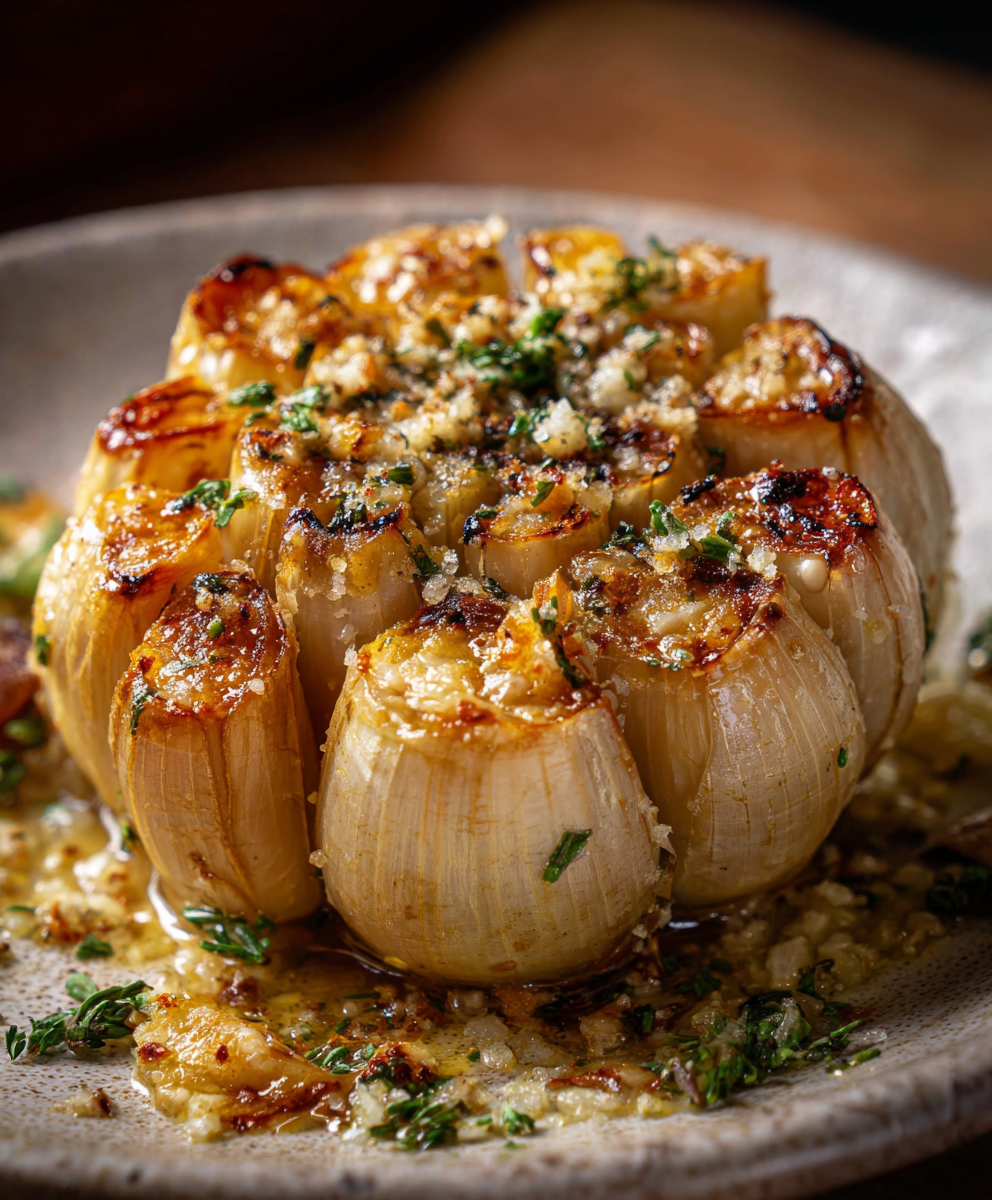
5-Minute Air Fryer Roasted Garlic Magic That Wows
Learn how a 5-minute prep transforms a whole garlic bulb into silky, caramelized cloves in the air fryer. Perfect as a spread, mix-in, or flavor booster that elevates weeknight meals and party plates.

Bang Bang Salmon Made Perfect in Just 15 Minutes
A bright, spicy and slightly sweet salmon dish finished with a creamy bang bang sauce. Ready in 15 minutes, it delivers restaurant flavor with weeknight ease.

High Protein Chicken Pot Pie Soup
A comforting, protein-packed twist on classic pot pie flavors, transformed into a creamy, one-pot soup that is perfect for weeknights and meal prep.
Did You Make This?
Leave a comment & rating below or tag @royalrecipe on social media!
Rate This Recipe
Share This Recipe
Enjoyed this recipe? Share it with friends and family, and don't forget to leave a review!
Comments (1)
This recipe looks amazing! Can't wait to try it.
Comments are stored locally in your browser. Server comments are displayed alongside your local comments.

Hi, I'm Riley!
What's Popular
30-Minute Meals!
Join to receive our email series which contains a round-up of some of our quick and easy family favorite recipes.